

In the world of professional pet grooming, a deep understanding of animal behavior pet grooming class, grooming tools, and skin health is paramount. This article delves into the scientific principles that underpin successful pet grooming practices, offering educational insights to groomers seeking to enhance their skills.
From safety protocols to continuing education opportunities, this comprehensive guide explores the intricate science behind professional pet grooming, providing valuable knowledge for those dedicated to the care and well-being of our beloved animal companions.

Importance of Animal Behavior Understanding
Understanding the behavior of animals is a critical aspect of professional pet grooming, as it ensures the safety and well-being of both the groomer and the pet. By comprehending how different animals react to grooming procedures Pet Universe Cosmos, groomers can adapt their techniques to suit the individual needs of each pet. This understanding allows groomers to anticipate any potential challenges or stress triggers that may arise during the grooming process, ultimately creating a more comfortable experience for the pet.
Moreover, being able to interpret animal behavior enables groomers to establish trust and build a positive relationship with the pets in their care. Groomers who are attuned to the body language and signals of animals can adjust their approach to grooming in real-time, fostering a sense of security and comfort for the pet. This level of understanding also helps prevent accidents or injuries that may occur if a pet becomes anxious or distressed during grooming.
Grooming Tools and Techniques
Effective utilization of specialized grooming tools and techniques is essential for professional pet groomers to achieve precise and efficient grooming outcomes. Grooming tools vary depending on the specific needs of different pets, such as brushes, combs, clippers, scissors, and nail trimmers. Understanding the appropriate tools for each task is crucial to ensure the safety and comfort of the animals during the grooming process. Techniques like deshedding, hand-stripping, and breed-specific cuts require a high level of skill and expertise.
Professional groomers must stay updated on the latest tools and techniques in the industry to provide top-quality services. Proper handling of tools and gentle techniques are essential for maintaining a positive grooming experience for the pets. Additionally, knowledge of different coat types and skin conditions helps groomers select the most suitable tools and products for each pet.
Skin and Coat Health
How can professional pet groomers assess and maintain optimal skin and coat health in animals?
Professional pet groomers play a crucial role in ensuring the well-being of animals by monitoring and enhancing their skin and coat health. By conducting thorough visual and tactile inspections during grooming sessions, groomers can identify issues such as skin irritations, parasites, or abnormalities early on. They utilize specialized shampoos and conditioners tailored to different coat types to promote skin hydration, prevent matting, and enhance the overall appearance of the fur. Additionally, groomers may recommend dietary supplements or advise pet owners on proper nutrition to support healthy skin and coat growth.
Regular grooming appointments not only keep the coat looking aesthetically pleasing but also contribute to the prevention of skin infections and other dermatological problems. Through their expertise and care, professional pet groomers contribute significantly to the overall health and happiness of the animals they work with.
Safety Protocols in Grooming
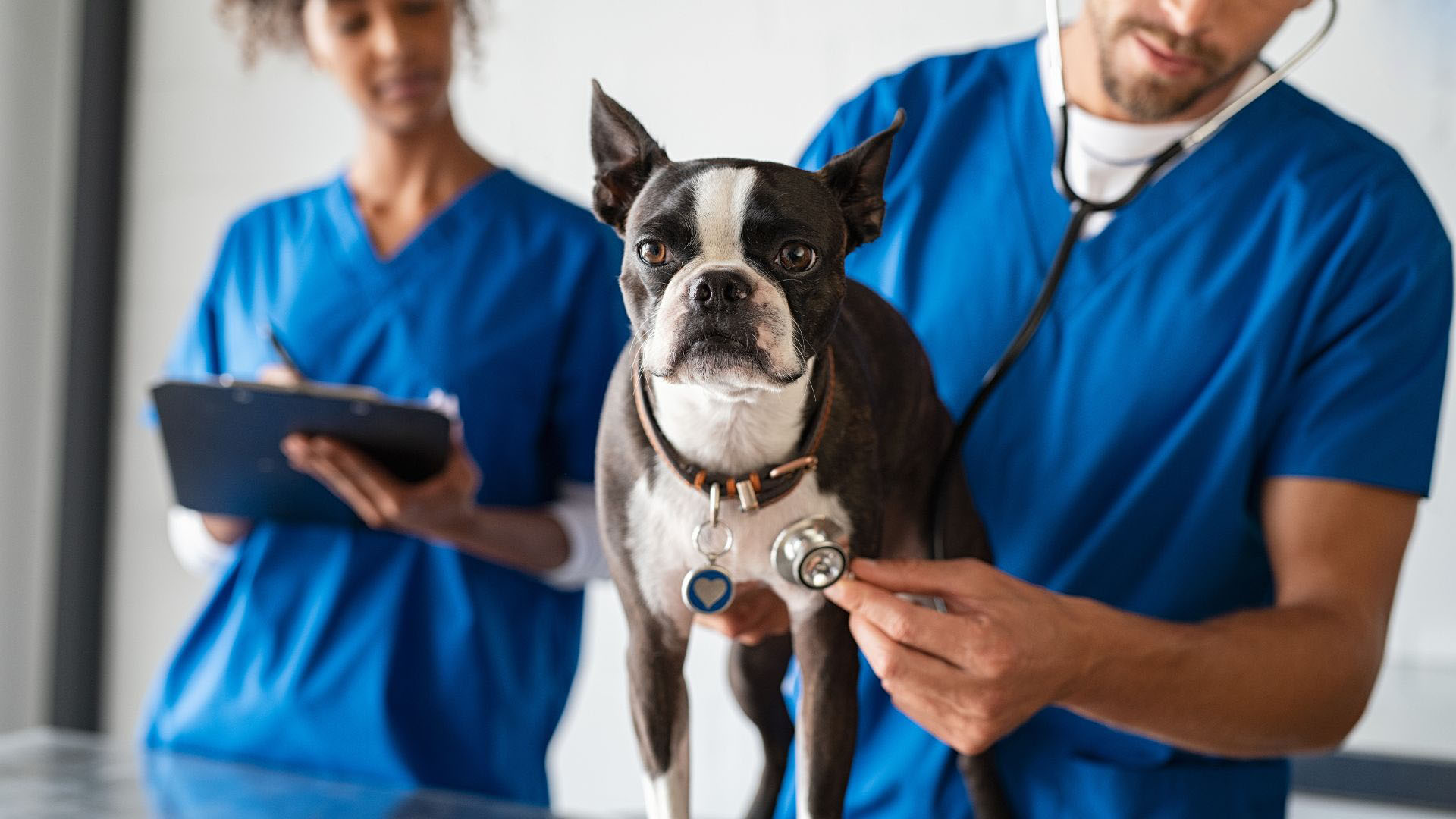
Professional pet groomers implement strict safety protocols to ensure the well-being and security of the animals under their care. Safety is paramount in grooming procedures to prevent accidents and minimize stress for the pets. One essential safety protocol is proper restraint techniques to keep the animal still during grooming activities. This not only protects the groomer from potential bites or scratches but also prevents the pet from sudden movements that could lead to injuries.
Furthermore, maintaining a clean and sanitized grooming environment is crucial to prevent the spread of diseases and infections between animals. Tools and equipment should be regularly disinfected, and grooming areas should be well-ventilated to ensure the health and safety of both pets and groomers.
Additionally, thorough knowledge of pet behavior and body language is essential for safe grooming practices. Understanding when an animal is anxious, fearful, or in pain allows groomers to adjust their approach accordingly, avoiding unnecessary stress or harm. By adhering to these safety protocols, professional pet groomers can provide a secure and comfortable grooming experience for the animals in their care.
Continuing Education for Groomers
In the grooming industry, the commitment to ongoing education plays a crucial role in enhancing groomers’ skills and knowledge to ensure the continued safety and well-being of the animals they care for. Continuing education for groomers is not just a choice but a necessity in a field that is constantly evolving with new techniques, equipment, and best practices. By participating in workshops, seminars, online courses, and industry conferences, groomers can stay updated on the latest trends and advancements in pet grooming.
Continuing education also allows groomers to specialize in particular areas such as handling certain breeds, mastering specific grooming styles, or learning about skin and coat conditions. This specialized knowledge not only benefits the groomers in their careers but also enhances the quality of care they provide to the pets entrusted to them.
Moreover, ongoing education fosters a sense of professionalism and dedication within the grooming community, promoting a culture of continuous improvement and excellence. Groomers who invest in their education demonstrate a commitment to their craft and a genuine passion for the well-being of the animals they serve.
Conclusion
In conclusion, professional pet grooming requires a deep understanding of animal behavior, proper grooming tools and techniques, as well as knowledge of skin and coat health. Safety protocols are essential in ensuring the well-being of both the groomer and the pet. Continuing education is crucial for groomers to stay up-to-date with the latest advancements in the field and provide the best care for their furry clients.