
Construction Materials Testing and Standards


In the realm of construction, materials testing and standards stand as the cornerstone of reliability and safety in building projects compression testing machine function. By adhering to rigorous testing protocols and industry benchmarks, construction professionals can ensure that structures are not only structurally sound but also capable of withstanding the test of time. These standardized measures help mitigate risks associated with subpar materials and ensure that projects adhere to stringent quality control. However, one must ponder the implications of non-compliance with these established standards and the potential repercussions it may have on the overall integrity of a construction project.

Construction Material Testing Disrupts Building in NJ

Importance of Materials Testing

Materials testing plays a crucial role in ensuring the quality, durability, and safety of construction projects. By subjecting construction materials to rigorous testing procedures, engineers and builders can determine the strength, integrity, and suitability of materials for specific applications. Testing helps identify any potential weaknesses or defects in materials before they are incorporated into a project, preventing costly failures and ensuring structural stability.

Through tests such as compression tests, tensile tests NL TEST, and impact tests, the mechanical properties of materials like concrete, steel, and asphalt can be accurately assessed. Additionally, chemical analysis tests can determine the composition of materials, ensuring they meet required standards and specifications.

Key Construction Standards

Key construction standards play a critical role in ensuring the safety and quality of structures. These standards encompass industry-approved building codes that dictate the minimum requirements for construction projects.

Testing methods for materials are outlined within these standards, ensuring compliance with regulations and promoting structural integrity.

Industry-Approved Building Codes

Established by regulatory bodies and industry associations, the building codes serve as fundamental guidelines for ensuring structural integrity, safety, and compliance in construction projects. These codes dictate the minimum requirements for materials, design, construction methods, and quality control measures to be followed during the building process.

Adhering to industry-approved building codes is crucial for upholding the safety of occupants, the durability of the structure, and overall project success. Common building codes cover aspects such as fire safety, structural stability, accessibility, energy efficiency, and environmental impact.

Contractors, architects, and engineers must stay updated on the latest revisions to these codes to guarantee that their projects meet the necessary standards and regulations, promoting quality and reliability in the construction industry.

Testing Methods for Materials

Testing methods for construction materials play a critical role in ensuring the quality and reliability of structural components in building projects. Various standardized testing procedures are employed to assess materials such as concrete, steel, asphalt, and wood for their strength, durability, and performance characteristics. Common tests include compressive strength tests for concrete, tensile strength tests for steel, and moisture content tests for wood.

Non-destructive testing methods like ultrasonic testing and infrared thermography are also utilized to evaluate material properties without causing damage. These tests help construction professionals make informed decisions regarding material selection, quality control, and structural integrity. Adhering to recognized testing standards is essential to guaranteeing the safety and longevity of constructed buildings and infrastructure.

Construction Materials Testing Images – Browse 11,376 Stock Photos,  Vectors, and Video | Adobe Stock

Compliance With Regulations

Ensuring compliance with applicable regulations and construction standards is paramount in the construction industry to uphold safety and quality in building projects.

Key construction standards such as ASTM International, the American Concrete Institute (ACI), and the American Society of Testing and Materials (ASTM) provide guidelines for materials testing, structural design, and construction processes. These standards cover a wide range of aspects including material properties, testing methods, and structural integrity requirements.

Compliance with these standards not only ensures the structural stability and durability of buildings but also safeguards the well-being of occupants and workers. By adhering to these regulations, construction companies demonstrate their commitment to excellence and professionalism in the industry, promoting trust and confidence among clients and stakeholders.

Testing Methods for Concrete

Concrete testing involves a series of procedures aimed at evaluating its strength, durability, and performance under various loads. Strength testing procedures assess the maximum load a concrete sample can withstand before failure occurs.

Durability assessment techniques focus on the material’s ability to withstand environmental factors and aging processes.

Strength Testing Procedures

Analyzing the compressive strength of concrete involves meticulous testing procedures to ensure structural integrity and durability. The most common method used is the compression test, where a concrete cylinder is subjected to increasing compressive loads until failure occurs. This test provides valuable data on the material’s ability to withstand pressure and is crucial for assessing the quality of concrete mixes.

Another method is the non-destructive testing, such as ultrasonic pulse velocity testing, which estimates concrete strength without damaging the structure. Understanding the strength properties of concrete is essential for designing safe and durable structures, ensuring that the material can support the intended loads and environmental conditions.

Conducting these tests accurately is vital for maintaining construction quality and safety standards.

Durability Assessment Techniques

Utilizing advanced testing methods, the assessment of concrete durability involves rigorous techniques to evaluate its ability to withstand environmental factors and maintain structural integrity over time. Durability testing methods for concrete include accelerated weathering tests, chloride penetration tests, carbonation tests, and freeze-thaw tests.

Accelerated weathering tests simulate long-term exposure to environmental conditions in a short period, providing valuable data on how concrete will perform over time. Chloride penetration tests assess the resistance of concrete to chloride ion penetration, which can cause corrosion of reinforcement.

Carbonation tests determine the depth at which carbon dioxide has penetrated the concrete, affecting its long-term durability. Freeze-thaw tests evaluate how well concrete can withstand repeated cycles of freezing and thawing, crucial for structures in cold climates.

Performance Under Load

Testing methods for evaluating the performance of concrete under varying loads play a critical role in ensuring the structural integrity and safety of construction projects.

One common method is the compressive strength test, which determines how much load a concrete sample can bear before collapsing.

Another vital test is the flexural strength test, which assesses a concrete beam’s ability to resist bending forces.

Moreover, the modulus of elasticity test measures how well concrete can deform elastically under load.

These tests, among others, help engineers understand how concrete will perform in real-world conditions, allowing for the design of safer and more durable structures.

Standards for Steel Materials

Steel materials in construction must adhere to specific standards to ensure structural integrity and safety. These standards are crucial to guarantee the quality and reliability of steel used in various building components.

ASTM International, formerly known as the American Society for Testing and Materials, establishes standards for steel materials to ensure their mechanical properties, chemical composition, and physical characteristics meet industry requirements. The standards cover a wide range of steel products, including structural steel, reinforcing steel, and steel bars used in concrete reinforcement.

Compliance with these standards is essential to prevent structural failures, ensure durability, and maintain the overall safety of buildings and infrastructure. Additionally, adherence to these standards facilitates interoperability and quality control across the construction industry, allowing for consistent performance and reliability of steel materials in different applications.

Asphalt Quality Control Measures

Implementing stringent quality control measures is essential in ensuring the reliability and performance of asphalt in construction projects. To maintain high standards, it is crucial to monitor the quality of raw materials used in asphalt production. This includes testing aggregates for size, shape, and cleanliness, as well as evaluating the properties of the binder such as viscosity and penetration.

Additionally, controlling the production process is vital to achieving consistent asphalt quality. This involves monitoring mixing temperatures, compaction efforts, and cooling rates to ensure the final product meets specifications. Quality control measures also extend to the testing of the finished asphalt mixture for properties like density, air void content, and durability.

Regular sampling and testing throughout the construction process help identify any deviations from the desired quality standards, allowing for timely adjustments to be made. By adhering to strict quality control measures, construction projects can benefit from durable and long-lasting asphalt pavements that meet performance expectations.

Impact on Project Longevity

Ensuring the longevity of a construction project heavily relies on the meticulous adherence to quality control measures throughout all stages of asphalt production and application. Proper testing of construction materials, including asphalt, plays a critical role in determining the durability and performance of the final infrastructure. By conducting thorough testing of materials before and during construction, potential issues that could compromise the project’s longevity can be identified and addressed promptly.

Compliance with industry standards and specifications is essential to guarantee the structural integrity and longevity of the construction project. Testing methods such as density tests, moisture susceptibility tests, and performance grading help assess the quality of the asphalt materials and ensure they meet the necessary criteria for long-term performance. Moreover, monitoring the construction process and conducting quality control tests during the application of asphalt further enhances the project’s longevity by detecting any defects or inconsistencies that may arise.

Conclusion

In conclusion, construction materials testing and adherence to industry standards are essential components in ensuring the quality, durability, and safety of construction projects.

By employing standardized testing methods for materials like concrete, steel, asphalt, and wood, the industry maintains a commitment to excellence and professionalism.

Compliance with key construction standards not only promotes structural integrity but also supports the longevity and reliability of buildings and infrastructure.

Overall, materials testing and standards play a crucial role in upholding the highest levels of quality and safety in construction projects.…
Lhdn E Invoice Guideline

The LHDN E-Invoice guideline serves as a pivotal framework in modernizing financial transactions within Malaysia, enforcing electronic invoicing for increased efficiency and compliance erp software malaysia. Understanding the nuances of this guideline can significantly impact businesses’ operational processes and financial reporting. By exploring the intricate details and implications of this mandate, businesses can unlock a realm of opportunities to enhance their invoicing practices and navigate the evolving landscape of digital taxation seamlessly.

e-Invoicing in Malaysia: Choosing the right integration model for your  e-Invoice flow

Overview of LHDN E-Invoice Requirement

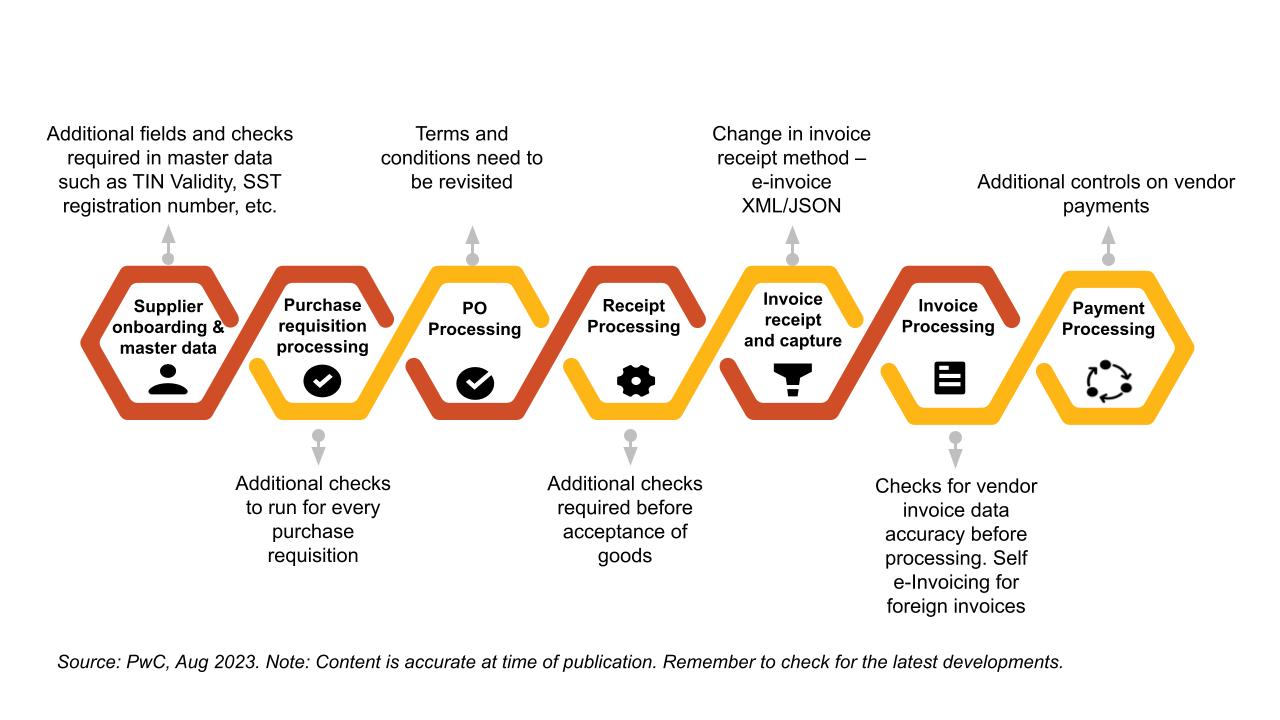
Understanding the mandatory regulations surrounding the LHDN E-Invoice system is essential for businesses aiming to comply with taxation requirements efficiently https://aspert.com.my/. The LHDN E-Invoice system, introduced by the Inland Revenue Board of Malaysia, aims to streamline the invoicing processes of businesses and enhance tax compliance. Under this system, businesses are required to issue electronic invoices for transactions exceeding RM500 to both registered and unregistered customers. These e-invoices must contain specific details such as the business’s name, address, tax identification number, invoice number, and the amount of tax charged. Additionally, businesses must ensure the integrity and authenticity of the e-invoices through digital signatures or other approved methods.

Non-compliance with the LHDN E-Invoice requirements can result in penalties and fines imposed by the tax authorities. Therefore, it is crucial for businesses to familiarize themselves with the guidelines and ensure proper implementation of the E-Invoice system to avoid any potential issues with tax authorities.

Benefits of Implementing E-Invoicing

To optimize operational efficiency and enhance tax compliance, businesses can derive substantial advantages from implementing E-Invoicing as part of the LHDN E-Invoice system requirements. One significant benefit is the reduction of manual errors in invoice processing, leading to improved accuracy in financial records. E-Invoicing also streamlines the invoicing process, allowing for faster payment cycles and improved cash flow management. Moreover, it enhances transparency in transactions, providing a clear audit trail for both businesses and tax authorities.

Implementing E-Invoicing can result in cost savings by reducing paper usage, printing, and postage expenses associated with traditional invoicing methods. This digital approach also contributes to environmental sustainability by minimizing paper waste. Additionally, E-Invoicing facilitates easier access to invoices and simplifies the retrieval of transaction data for reporting and analysis purposes. Overall, the adoption of E-Invoicing not only aligns businesses with regulatory requirements but also offers operational efficiencies and financial benefits.

Understanding the legal framework surrounding e-invoicing is crucial for businesses to operate within the law. This involves gaining insight into the legal context and understanding the regulatory compliance requirements set forth by relevant authorities.

Within the realm of tax compliance, a comprehensive grasp of the legal context is imperative for navigating the intricate landscape of regulations and obligations. Understanding the legal framework provides businesses with the necessary guidance to ensure compliance with tax laws and regulations set forth by the authorities. It sets the foundation for businesses to operate ethically and transparently, fostering trust between taxpayers and the government.

The legal context outlines the rights and responsibilities of taxpayers, guiding them on proper tax reporting and payment procedures. By delving into the legal intricacies, businesses can align their practices with the law, mitigating risks of non-compliance and potential penalties. Thus, a solid understanding of the legal context is crucial for businesses seeking to uphold their freedom within the tax compliance landscape.

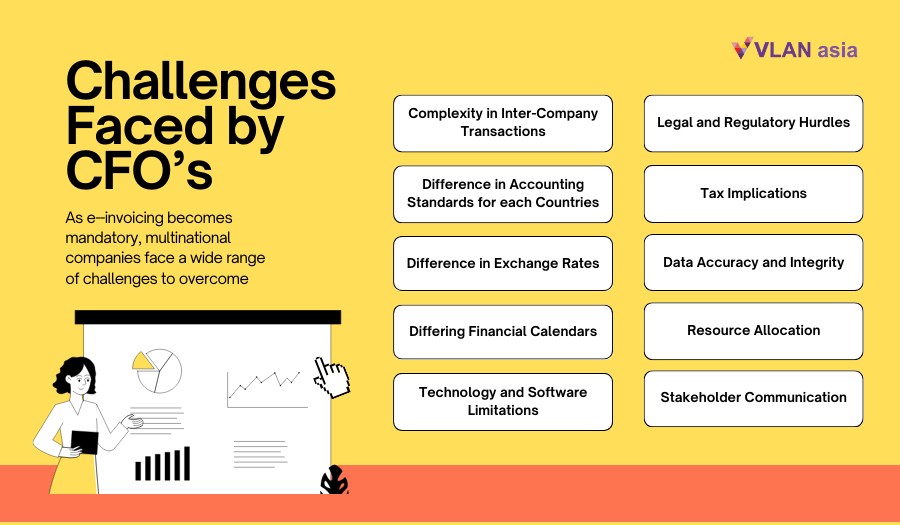
A Guide to E-invoicing in Malaysia: A CFO's Perspective & Strategies

Regulatory Compliance Requirements

Navigating through the intricate web of tax regulations demands a meticulous grasp of the legal framework to ensure regulatory compliance. Understanding the legal requirements is fundamental to avoid penalties and ensure smooth operations. Compliance involves adhering to tax laws, submitting accurate financial records, and timely filing of returns.

The legal framework dictates the parameters within which businesses must operate, emphasizing transparency and accountability. Non-compliance can lead to severe consequences, including fines and legal actions. Therefore, it is imperative for businesses to stay updated with the evolving regulatory landscape and implement robust compliance measures.

Step-by-Step E-Invoice Issuance Process

The e-invoice issuance process involves specific steps to generate the invoice accurately, ensuring all required information is included for compliance.

Once the e-invoice is complete, the final step is sending it to the designated recipient promptly.

Following these steps meticulously is crucial for a seamless e-invoicing experience and regulatory adherence.

Steps to Generate Invoice

To initiate the process of generating an invoice through the LHDN E-Invoice system, users must first log in to their accounts and access the invoice generation section.

Once logged in, users should select the option to create a new invoice. Then, they need to input the necessary details such as the recipient’s information, invoice date, due date, and itemized list of goods or services provided. Users can also include any applicable taxes or discounts.

After filling in all the required fields, it is crucial to review the information for accuracy before finalizing the invoice. Once satisfied, users can proceed to generate the invoice, which will be automatically saved in the system for future reference and sharing.

Required Information for E-Invoice

When initiating the e-invoice issuance process, it is essential to ensure that all required information is accurately provided to facilitate seamless transaction documentation. The mandatory details for an e-invoice typically include the seller’s and buyer’s names, addresses, tax identification numbers, invoice date, unique invoice number, itemized list of goods or services provided, quantities, prices, and applicable taxes.

Additionally, it is crucial to include payment terms, such as due dates and accepted payment methods. Ensuring that all these essential elements are correctly entered guarantees compliance with regulations and enables efficient processing of the e-invoice. Providing precise and complete information from the outset minimizes the likelihood of errors and delays in the invoicing process.

Sending the E-Invoice

Initiating the transmission of the e-invoice involves a structured process to ensure accurate delivery and compliance with established protocols.

Firstly, ensure all mandatory fields are correctly filled in the e-invoice.

Next, verify the recipient’s readiness to receive e-invoices and confirm the preferred method of delivery.

Then, securely transmit the e-invoice using encrypted channels to protect sensitive information.

After sending the e-invoice, promptly notify the recipient to expect the document and provide any necessary supporting documentation.

Finally, maintain a record of the sent e-invoice for future reference and audit purposes.

Key Information to Include in E-Invoices

In crafting e-invoices, it is crucial to include key information that ensures clarity and accuracy in financial transactions. The essential details to incorporate in e-invoices include the sender’s and recipient’s contact information, such as names, addresses, and contact numbers.

Additionally, specifying the invoice date, payment due date, and a unique invoice number aids in tracking and referencing the transaction. A detailed description of the goods or services provided, including quantity, price per unit, and total amount, is fundamental for clear communication.

It is also important to include any applicable taxes, discounts, or shipping costs to provide a comprehensive overview of the financial transaction. Moreover, including payment terms and accepted payment methods ensures smooth processing and helps in avoiding any misunderstandings.

Lastly, adding any relevant terms and conditions or notes can further clarify the expectations of both parties involved in the transaction, promoting transparency and trust.

Importance of Data Security Measures

Moving from the focus on key information in e-invoices, maintaining robust data security measures is imperative to safeguard sensitive financial information in electronic transactions. Data security measures are crucial in preventing unauthorized access, data breaches, and financial fraud.

Encryption techniques should be employed to protect the confidentiality and integrity of e-invoices. Access controls must be implemented to ensure that only authorized personnel can view or alter sensitive financial data. Regular security audits and updates are essential to identify and address any vulnerabilities in the system.

Additionally, secure data backup procedures should be in place to prevent data loss in case of system failures or cyberattacks. By prioritizing data security measures, businesses can build trust with their clients and partners, demonstrating a commitment to protecting their sensitive information.

Ultimately, a secure e-invoicing system promotes transparency, efficiency, and trust in electronic transactions.

Common Mistakes to Avoid

To ensure accurate and compliant e-invoicing, it is crucial to be vigilant against common mistakes that may occur. Errors in calculations can lead to discrepancies and potentially affect tax obligations.

Additionally, missing mandatory details can result in non-compliance with regulations and may lead to penalties.

Error in Calculations

Correct calculation errors are crucial in ensuring accurate financial records and compliance with tax regulations. Mistakes in calculations can lead to discrepancies in reporting income, expenses, and taxes, which may result in penalties or audits.

To avoid errors, double-check all arithmetic operations, use software tools for complex calculations, and ensure consistency in formulas. Common mistakes to watch out for include transposing numbers, omitting decimal points, and miscalculating percentages.

Regularly reviewing calculations and seeking assistance from financial experts when needed can help maintain the integrity of financial data. By being meticulous in calculations, businesses can uphold transparency, make informed financial decisions, and stay in good standing with tax authorities.

Missing Mandatory Details

When preparing invoices, one common mistake to avoid is the omission of mandatory details that are essential for accurate record-keeping and compliance purposes. Missing mandatory information such as the supplier’s name and address, recipient details, invoice number, date of issuance, item descriptions, quantities, prices, and total amounts can lead to issues with tax authorities and hinder the smooth processing of transactions.

It is crucial to double-check invoices before sending them to ensure all required information is included. Failure to include these mandatory details not only slows down payment processes but also increases the likelihood of audits or penalties. Attention to detail in invoice preparation is key to maintaining compliance and efficient business operations.

Integration of E-Invoicing Software

In the context of implementing e-invoicing, the integration of e-invoicing software plays a crucial role in streamlining financial processes and enhancing efficiency. By seamlessly integrating e-invoicing software into existing accounting systems, businesses can automate invoice generation, delivery, and payment processes. This integration eliminates manual data entry errors, reduces processing time, and enhances overall accuracy in financial transactions.

Furthermore, e-invoicing software integration allows for real-time tracking of invoices, enabling businesses to monitor payment statuses, identify bottlenecks, and improve cash flow management. The software can also facilitate electronic invoice storage, retrieval, and archiving, ensuring compliance with record-keeping requirements.

Moreover, integrating e-invoicing software can enhance communication between stakeholders, such as suppliers and customers, by providing a centralized platform for invoice exchange. This centralized approach streamlines communication channels, reduces delays, and fosters stronger business relationships.

Compliance With Tax Regulations

Ensuring compliance with tax regulations is paramount for businesses implementing e-invoicing systems to maintain legal adherence and financial transparency. Tax regulations are constantly evolving, and it is crucial for businesses to stay updated and ensure that their e-invoicing systems align with the latest requirements. Adhering to tax regulations not only helps in avoiding penalties and legal issues but also fosters trust with customers and authorities.

One key aspect of compliance with tax regulations in e-invoicing is ensuring the accuracy and integrity of electronic invoices. This includes verifying that all mandatory information is included in the e-invoices and that they are securely stored and accessible for audit purposes. Additionally, businesses need to ensure that their e-invoicing systems are capable of generating reports and summaries required for tax filing accurately.

Maintaining compliance with tax regulations through accurate and secure e-invoicing practices sets the foundation for businesses to adapt to and leverage future trends in electronic invoicing. As technology continues to advance, the future of e-invoicing holds exciting possibilities for businesses looking to streamline their processes further.

One prominent trend is the increased adoption of artificial intelligence and machine learning algorithms to automate invoice processing, reducing manual errors and enhancing efficiency.

Another trend on the horizon is the integration of blockchain technology into e-invoicing systems. Blockchain offers enhanced security and transparency, making it an ideal solution for creating tamper-proof audit trails and preventing invoice fraud.

Moreover, mobile e-invoicing applications are gaining popularity, allowing businesses to create, send, and process invoices on the go, improving agility and responsiveness.

Conclusion

In conclusion, adherence to the LHDN E-Invoice guideline is essential for businesses to ensure compliance with tax regulations, streamline invoicing processes, reduce errors, and enhance transparency in financial transactions.

Implementing e-invoicing not only helps in avoiding penalties but also promotes efficiency in business operations.

By understanding the legal framework, following the step-by-step issuance process, and incorporating key information in e-invoices, businesses can benefit from the advantages of electronic invoicing in the evolving landscape of financial transactions.…

Pro and Cons of Radiations

Radiations, although widely utilized in various fields, are subject to debates regarding their pros and cons. This article delves into the advantages of radiations mri shielding, such as their applications in medicine, while also addressing the environmental impact and concerns associated with their usage.

Furthermore, it examines the potential risks to human health and the safety measures and regulations in place. By presenting a knowledgeable, analytical, and cautious perspective, this article aims to provide an informative and balanced overview of the topic for an audience seeking freedom in their decision-making.

UW Cancer Center Johnson Creek Begins Treatment with New State-of-the-Art  Radiation Therapy Technology – Department of Human Oncology – UW–Madison

Advantages of Radiations

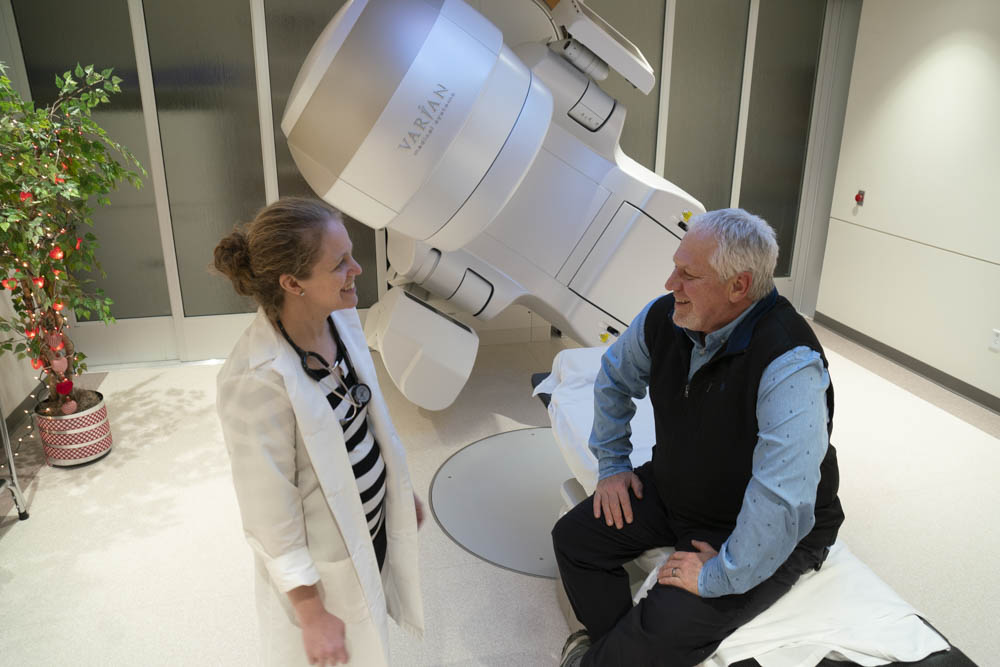
One advantage of radiations is their ability to effectively kill cancer cells in targeted therapy. Radiation therapy, also known as radiotherapy, is a widely used treatment option for cancer patients. It involves the use of high-energy radiation to destroy cancer cells and shrink tumors.

The benefits of radiation therapy include its ability to be precisely targeted to the affected area, minimizing damage to healthy surrounding tissues Lead brick. This is made possible by advancements in radiation technology, such as image-guided radiation therapy (IGRT) and intensity-modulated radiation therapy (IMRT).

IGRT allows for real-time imaging during treatment, ensuring accurate delivery of radiation to the tumor, while IMRT enables the radiation beams to be shaped to match the tumor’s contours, further minimizing harm to healthy tissues. These advancements have significantly improved the effectiveness and safety of radiation therapy, providing cancer patients with a viable treatment option.

Applications in Medicine

Radiations, specifically ionizing radiation, have become an indispensable tool in the field of medicine due to their ability to accurately diagnose diseases and provide effective treatment options.

Radiation therapy, a form of cancer treatment, uses high-energy beams to target and destroy cancer cells. It is commonly used in conjunction with other treatments like surgery and chemotherapy to provide a comprehensive approach to cancer care.

Diagnostic imaging, on the other hand, utilizes different types of radiations such as X-rays, CT scans, and PET scans to visualize the internal structures of the body and detect abnormalities. These imaging techniques play a crucial role in the early detection and monitoring of various diseases, allowing for timely interventions and improved patient outcomes.

However, it is important to exercise caution when using radiations, as their potential risks and long-term effects need to be carefully considered and weighed against the benefits they offer.

Environmental Impact and Concerns

The environmental impact and concerns associated with the use of radiation in various applications, including medicine, have sparked debates and raised awareness about the need for responsible and sustainable practices in the healthcare industry.

While radiation plays a crucial role in diagnosing and treating diseases, its potential effects on wildlife and the environment are a cause for concern. Studies have shown that exposure to radiation can have long-term effects on wildlife, including genetic mutations, reduced reproductive success, and increased risk of cancer. These impacts can disrupt ecosystems and threaten biodiversity.

It is essential for healthcare providers and researchers to consider the potential environmental consequences of radiation use and strive to minimize its negative effects. Implementing proper safety measures, monitoring radiation levels, and investing in alternative technologies can help mitigate the impact on wildlife and ensure a sustainable future for healthcare.

Role of Radiation Therapy in Breast Cancer Treatment | Narayana Health

Risks to Human Health

In considering the use of radiation in healthcare, it is crucial to address the potential risks to human health. While radiation plays a significant role in medical diagnosis and treatment, it is not without its drawbacks.

One of the primary concerns is radiation exposure, which can occur during procedures such as X-rays, CT scans, and radiation therapy. The long-term effects of radiation exposure can be worrisome, as it has been linked to an increased risk of cancer, genetic mutations, and other adverse health outcomes.

It is important for healthcare providers to carefully balance the benefits and risks of using radiation, taking into account the specific needs of each patient. Additionally, implementing strict safety protocols and minimizing unnecessary radiation exposure can help mitigate potential long-term effects and ensure the well-being of patients.

Safety Measures and Regulations

Safety measures and regulations play a crucial role in minimizing the potential risks associated with the use of radiation in healthcare. Government regulations and safety guidelines aim to ensure that radiation is used safely and effectively, protecting both patients and healthcare professionals.

These regulations are put in place to prevent unnecessary exposure to radiation and to ensure that the benefits of its use outweigh the potential risks. Compliance with these regulations is essential to maintain a safe working environment and to minimize the likelihood of accidents or long-term health effects.

Conclusion

In conclusion, radiations have their advantages in various fields, particularly in medicine where they are utilized for diagnostic imaging and cancer treatment.

However, the environmental impact and potential risks to human health cannot be ignored. It is crucial to implement safety measures and regulations to minimize exposure and ensure the responsible use of radiations.

Further research and ongoing monitoring are necessary to fully understand the long-term effects and address any concerns associated with radiation exposure.…

Non-Invasive Skin Tightening For Face

Non-Invasive Skin Tightening For
Face

If you have loose skin on your face and want to look younger, you can opt for non-
invasive skin tightening techniques permanent hair removal. Read on to learn about the different types of

treatments, their cost and side effects. After reading this article, you can make a
sound decision on your next cosmetic procedure.

HIFU (Non-Invasive Skin Tightening Treatment) | Trambellir
Non-invasive methods
If you are considering non-surgical skin tightening, there are several different types
of procedures available. Some use radiofrequency energy while others use
ultrasound waves to stimulate collagen production. If you are considering these
procedures, make sure to talk to your provider before making any decisions. While
they may be a great alternative to surgery, you should be aware of possible
complications.
Microfocused ultrasound (MFU) is one of the non-invasive methods that has been
developed to target facial skin. Using a high-resolution ultrasound, MFU causes
collagen fibers to contract and stimulate de novo collagen synthesis. This method is
also highly customizable and can be customized to target specific areas of the face.
Side effects
Radiofrequency skin tightening is a procedure that involves the use of energy waves
to heat the deep layer of the skin. This process helps stimulate the production of
collagen. Collagen is the most common protein found in the body and provides the
skin with its firmness. However, as we age, our bodies produce less collagen and this
results in sagging skin and wrinkles. The aging process also causes our skin to lose
its elasticity, resulting in laxity.
The procedure may cause temporary or permanent side effects. However, serious,
lasting complications are rare. Although side effects of skin tightening on face
surgery are rare, it is important to consult a doctor if you experience prolonged
swelling or redness following the procedure.

HIFU | Rasaderm
Cost
If you are looking for an affordable skin tightening procedure for your face, you can
consider the Thermage method. This procedure uses radiofrequency technology to
tighten the skin. It does not require anesthesia and requires only one treatment
session, leaving you with little to no downtime. It has fewer side effects than other
procedures, and the doctors often offer payment plans to help you afford the
procedure.
The base price for a skin tightening procedure for the face can range from $750 to
$7,500. This amount does not include the cost of the plastic surgeon’s surcharge or
other costs. The surgeon’s experience may also play a part in the cost, as a less
experienced general surgeon will charge you less than a board-certified plastic
surgeon. It is worth paying a bit more to have a top-tier surgeon perform your

procedure, however, since their expertise and experience will be worth it in the long
run.
Treatment options
A variety of nonsurgical facial treatments are available to improve the appearance of
facial wrinkles. Nonsurgical treatments use ultrasound and radiofrequency energy to
stimulate collagen and elastin production. These treatments are considered safe,
and patients usually require just one treatment. Microneedling, which uses multiple
small needles, is a common method for skin tightening.
Nonsurgical treatments for facial skin tightening are safe and effective and can
restore your self-esteem and confidence. A board-certified dermatologist can
perform skin tightening procedures, such as the Thermage(r) system. To make an
appointment, call or visit the practice’s website.…

How to use digital signage solutions?

How to use digital signage solutions?

It is important to advertise a product to boost sales. A correct marketing campaign is directly proportional to volume of sales ฟิล์ม ส มา ร์ ท เท ค. A retailer may be neglecting an important in-store marketing technique to advertise his product. What is in store marketing? In store marketing is a tool of advertising that is performed within commercial property. It engages the customers to purchase the product by marketing the product or services. Most of the retailers are marketing the products outside the retail store but in store marketing focus on influencing the customers to purchase the product or service while they are in the store  

Top 10 Ways to Use Digital Signage for Your Business in 2021 | Khaleej Mag  - News and Stories from Around the World

A very common example of in store advertising is digital signage. Almost everyone has witnessed digital signage in their lives. When customers walk in the store or pass through the store ฟิ ล ม์ กรอง แสง บ้าน, they see visual displays of the product sold by the retailers. These visual displays are called digital signage technology. Many retailers have started investing in digital signage due to its positive impact. In retail, customer is king. Customers don’t want to see monotonous bill boards. It’s time for innovation in retail store marketing. Not only digital signage but touchscreen solutions are also used by retailers as a marketing tactic. Touchscreen solutions are enhancing the productivity of the employees and saving time for customers. Digital signage promotes projection screen display. 

Touchscreen solutions can be enabled by finger tips or by using stylus. It is more accurate than conventional systems. These days retailers should focus on the customers that are in the store that is in store advertising than on customers outside the stores. With evolving technology, smart displays and kiosks have become more effective than the technology in the past. Due to modern technology media channels have grown and evolved. Conventional in door marketing was restricted to the use of static signs or board signs, now technology has evolved and digital screen displays are more common.  

How digital signage can help your business | Sign Here Signs

Digital signage technology should be used for in store advertising as the customers that are in the store are more likely to make a purchase than the customers that are outside. Brands can make interactive animation videos to promote their products and engage the customers by delivering valuable information. Display videos can show discount or sales that will encourage the indoor customers to buy the product. If a brand is launching a new product, they should carefully use the digital signage and touch screen solutions to display the features, price and source if the product.

 In touchscreen solutions, sometimes customers are encouraged to put their contact number for customization, this can widen the customer base of the brand. Customers retain the information they saw on digital signage therefore it promotes the technology as well as the product. Customers are informed about the features of the product and other relevant information. Digital ads and signs can be shown to the customers via digital display. …

Paramount Services By Video Surveillance Camera System 

Paramount Services By Video Surveillance Camera System 

While we sit here and do our daily routine work and feel sad for not being able to communicate with our loved ones due to network errors and camera disturbances touch digital signage, Lily who sits on her cosy couch and communicate with her dad, who is out in space for almost 90 days now, TIMOTHY L. KOPRA, ann ex-serviceman from the U.S army, is out in space and heading to another space station. He talks to his little daughter about the paramount services by video surveillance camera system. Paramount services broke the way old prototype of no communication zone from outer space. There are various services available to you for the better security of your house. Let us discuss it.

CCTV – Paramount Group

Better than the best:

Many camera manufacturing companies have attempted what paramount services by video surveillance camera system has already done smart digital signage. Their revolutionary camera services have reached a whole new level and have changed how we look at video cameras. Space shuttles have always experimented with the camera system, as it’s the most important part of the space expedition. What they see need to be very clear and minute. America was the first to send a space shuttle to outer space, and ever since then, the astronauts bring a lot of articles from space. They click photographs, make videos, and scientists make reports and coin discoveries and inventions. If the camera quality is not the best, there are great chances of human errors in research prospects. 

3 Reasons to Install a Home Security Camera System in 2019

Need for these services

Paramount services by video surveillance camera system have cleared many doubts and have opened space for new explorations and contradictions https://therev.my/smart-signage/. The video cameras cannot be hacked by any known source; it is extremely classified and comes with human intelligence. Whenever the camera sees something unusual, it responds with an analysis as to what that thing is. It also captures the images on its own and guides the astronauts. The unfortunate Walmart incident created a rage in the city, and as a result, people started asking for more of such security services. It was expensive for a middle-class businessman, but the outcome was way more relaxing than they had asked for. People became more aware of the camera services, and as a result, it increased the company’s sales by 60%. This growth was remarkable. The owners say that the unfortunate incident at Walmart was a blessing in disguise for the company and all Pearland residents. Today Pearland has a record of having installed such cameras in all workplaces, warehouses, public areas and schools.


We wish to have this technology available for the common consumers in the markets as it has potential and uses worth exploring. It can be a revolution in defence services and security prospects. It can help to stop crime and also help in analyzing the crimes. It may also not be available because of the possible actions of misusing it and driving it into the wrong hands. We hope to see this revolution in the markets soon.…

Only 3% of Earth’s Ecosystems Are Still iIntact

Our planet is quite diverse when it comes to ecosystems. And few things excite biologists more than looking at parts of the world that are still relatively free of human interference.

So much so that, in the last 30 years, scientists who have the objective of protecting the Earth’s biodiversity have sought to establish goals to preserve and expand these areas that still remain of wild nature.

But how do you know what’s really wild when it’s found? According to most people, this response is linked to remote places with few human inhabitants. But for scientists, this is more complicated. After all, most scientific definitions of wild nature focus on the concept of integrity.


Ecosystems

So if the basic structure of a habitat , such as a forest, is intact and there is little evidence of human impact, then it is often considered a wilderness.

In the last decade, studies have been done in an attempt to map how ecosystems are intact on a global scale using satellite imagery. Estimates suggested that between 20 and 40% of the planet’s surface could be considered ecologically intact.

However, what can be detected by satellites is an insufficient measure of how wild a habitat is. So a new study was done where researchers used a different definition of intact ecosystems. According to this definition, the environment is intact if all species known to live in the area are still present and if they are abundant enough to fulfill their ecological roles.

Preserved

They set the reference value in 1500 AD Which means that only parts of the world are ecologically intact as they were 500 years ago, and therefore only they could be considered wild.

As a result, the researchers found that only 2.8% of the Earth’s surface fits this description. These places, 10,000 square kilometers or more, are spread across many parts of the world.

Some of them are: the Nouabale-Ndoki National Park in Congo, the Serengeti-Ngorongoro in Tanzania, the Alto Rio Negro indigenous territory in the Amazon rainforest, the Greater Siberian Polynya in northern Russia, and the Kawésqar National Park in southern Chile.

These places are very rare and should be conserved. However, only 11% of them are within a protected area.

Restoration

If these wilderness areas are so few what needs to be done to restore them? Of course, in places where species have gone extinct, the original nature cannot be restored. But where species have not been completely eradicated there is hope that the ecosystem can be restored.

For this to happen, a significant commitment from governments and multinational bodies is needed. Not least because the reintroduction of animals into ecosystems can be expensive and difficult. In addition to the original elimination to wildlife, so that success is guaranteed.

According to the researchers’ predictions, ecosystems with wildlife communities at historic levels of abundance could be restored on up to 20% of the planet’s land. Focusing on areas where the habitat appears intact according to satellite imagery.…

Russia Plans To Resurrect An Army Through Cloning

Exactly 20 years ago, a group of Siberian archaeologists discovered the remains of an army of Scythian warriors buried in the Republic of Tuva. The fossils, preserved, date back 3,000 years. The discovery in itself is surprising. However, the most incredible was the statement by Russian Defense Minister Sergei Shoigu regarding the find. Shoigu announced that they have plans to clone the warriors.

According to a recent report published by the news portal All That is Interesting, Shoigu, who is from Tuva, revealed his intention during an online session of the Russian Geographical Society held last week. The minister, in addition to managing the Russian Geographical Society, is one of President Vladimir Putin’s strongest allies – who also attended the meeting and showed support for the minister’s idea.

Declaration

As reported by the All That is Interesting portal, during the online session, the Russian Minister of Defense spoke about the potential for new research that could involve the Scythian warriors found by archaeologists, referring specifically to the use of DNA , which was preserved in Siberian permafrost.

According to a report published by the Daily Mail news portal, the Russian Defense Minister has hinted that he intends to clone DNA to rebuild the army. “Of course, we would very much like to know how we can make the plan viable and I believe you understand what would come after that,” the minister said in an interview with the Daily Mail. “It would be possible to do something, as they did with Dolly the Sheep. In general terms, I think it will be very interesting”.

For some analysts, although the meeting was formal and Shoigu’s words were quite clear, the announcement marks the presence of a strong political purpose, after all, Russia has recently sent around 100,000 troops to the Ukrainian border. In the meantime, political experts believe that the development of a study on the cloning of warriors will serve as food for the Kremlin propaganda machine.

Excavations

The remains of the Scythian warriors are highly conserved, and for this reason they could not be more remarkable. The excavations began in 1998 and were conducted by a team of Siberian archaeologists. German archaeologists joined the group later. In three years, professionals have unearthed 3,000 Scythian warriors – nomads of Iranian descent who occupied the European steppe from the northern borders of China to the Black Sea between the 7th and 3rd centuries BC. At the time the excavations were carried out, Shoigu ordered a shaman to be present – ​​so as not to irritate the spirits.

In 2018, Shoigu invested in new excavations, which were led by Russian and Swiss experts. To date, the work of the professionals also included the presence of a new shaman.

“The discovery encompasses not only the Scythian warriors, but also the remains of horses, probably used in sacrifices, and other elements,” said archaeologist Timur Sadykov. “This confirms the existence of cultural practice”.

The plan to clone the warriors

The meeting of members of the Russian Geographical Society yielded enough material for the press, as, as we said at the beginning of the article, the minister clearly expressed his objective in cloning the DNA of the Scythian warriors. “We have already carried out several researches on the subject”, revealed a Sputnik News report. “A lot of information has been confirmed, but there is still a lot to be done”.

Russia’s objective is based on the case of Sheep, the first cloned mammal. The sheep case made headlines in numerous media outlets in July 1996, when the Roslin Institute in Edinburgh, Scotland, revealed success in the cloning experiment.

So far, what the press has at hand are only the minister’s statements. It is unclear how much the Russians should strive to clone the old army and bring it back to life. We can only wait.

…